Overly Sensitive — What It Means, Why It Happens, and How to Cope
You've probably been told you're "too sensitive" more times than you can count. Maybe a casual comment from a friend replays in your mind for days. Perhaps a crowded room leaves you feeling completely drained. If this sounds familiar, you're far from alone — and there's nothing wrong with you. Being overly sensitive is more common than most people realize, and understanding this trait can transform how you relate to yourself and the world. This guide covers what being overly sensitive actually means, what causes it, how to spot the signs, and practical strategies to manage it. You can also explore your sensitivity traits with a free HSP test as a starting point for deeper self-understanding.
What Does It Really Mean to Be Overly Sensitive?
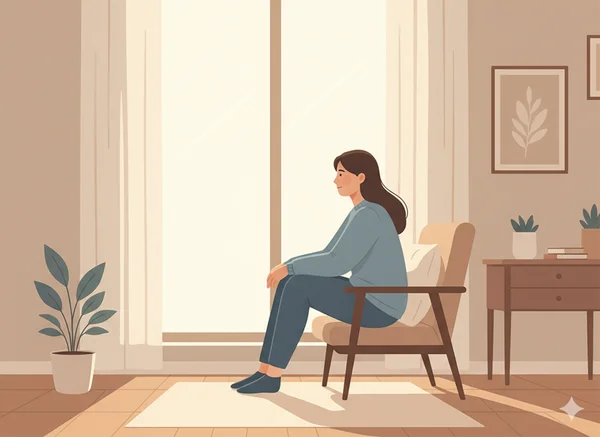
At its core, being overly sensitive means you react more intensely to emotional or sensory input than most people around you. A harsh word hits harder. A sad movie lingers longer. A noisy restaurant feels like sensory overload. However, this isn't a character flaw — it's a variation in how your nervous system processes the world.
Psychologist Elaine Aron coined the term "Highly Sensitive Person" (HSP) to describe individuals with a trait called sensory-processing sensitivity. Research suggests that roughly 15% to 20% of the population shares this trait. So if you've ever wondered why you seem to feel everything so deeply, there's actually a scientific framework behind it.
Emotional Sensitivity vs. Sensory Sensitivity
Sensitivity shows up in different ways. Emotional sensitivity means you absorb and process feelings — both your own and other people's — at a deeper level. You might cry during a commercial or feel anxious when someone near you is upset.
Sensory sensitivity, on the other hand, involves heightened reactions to physical stimuli. Bright lights, loud sounds, strong smells, or scratchy fabrics can feel genuinely overwhelming. Many overly sensitive people experience both types, though one may dominate.
Where Does Normal Sensitivity End and "Overly" Begin?
There's no clinical cutoff for "too much" sensitivity. Instead, think of it as a spectrum. Normal sensitivity means you notice and respond to your environment. Being overly sensitive typically means those responses are stronger, last longer, and sometimes interfere with daily comfort or decision-making.
The key question isn't whether you're sensitive — it's whether your sensitivity regularly causes distress or disrupts your ability to function. If it does, that's worth paying attention to.
7 Common Signs You Might Be an Overly Sensitive Person
Not sure where you fall? These signs are commonly reported by people who identify as overly sensitive. You don't need to check every box — even a few may ring true.
You Take Things Personally — Even When They're Not About You
A coworker's offhand remark stays with you all day. You replay conversations, analyzing every word for hidden meaning. When someone seems distant, you immediately assume you've done something wrong. This pattern of personalizing neutral interactions is one of the most common markers of oversensitivity.
Small Changes in Tone or Body Language Hit Hard
You're finely tuned to subtle shifts in how people communicate. A slightly clipped text message or a friend's crossed arms can send you spiraling. While this awareness can make you incredibly empathetic, it can also lead to false alarms and unnecessary worry.
Crowded or Noisy Environments Drain Your Energy Fast
Shopping malls, concerts, busy offices, or even a friend's loud birthday party can leave you feeling wiped out. For overly sensitive people, environments with heavy sensory input demand enormous processing power — and the toll shows up as exhaustion.
You Need More Downtime Than Most People Around You
After social events, a demanding workday, or even a long phone call, you crave alone time to decompress. This isn't antisocial behavior. It's your nervous system's way of recovering from overstimulation.
Other People's Emotions Feel Like Your Own
You walk into a room and immediately sense tension. A friend's sadness settles over you like a heavy blanket. This deep empathy is a hallmark of sensitivity, but it can also blur the boundary between your emotions and everyone else's.
You Overthink Conversations Long After They're Over
Did I say the wrong thing? Did they notice my hesitation? Hours after a conversation ends, you're still dissecting it. This deep processing is a core feature of the overly sensitive mind — useful for insight, but exhausting when unchecked.
Criticism Feels Like a Personal Attack
Even constructive feedback can sting. For an overly sensitive person, criticism often bypasses logic and lands directly in the emotional center. Learning to separate feedback from self-worth is one of the most important — and most challenging — skills to develop.
What Causes Someone to Be Overly Sensitive?
Sensitivity doesn't come from a single source. It's typically a blend of biology, life experience, and environment. Understanding the roots can help you move from self-blame to self-awareness.
Genetics and Your Nervous System
Research shows that sensitivity has a strong genetic component. Some people are simply born with a more reactive nervous system. Brain imaging studies reveal that highly sensitive individuals show increased activity in areas related to empathy, awareness, and sensory processing. In other words, your brain is wired to take in more — and process it more deeply.
Childhood Experiences and Learned Patterns
Your early environment shapes how sensitivity develops. Growing up in a household where emotions were dismissed, punished, or ignored can intensify sensitivity over time. Alternatively, a highly chaotic or unpredictable home can train your nervous system to stay on constant alert — making you hyperaware of subtle emotional cues as a survival mechanism.
When Trauma Plays a Role
Trauma — whether a single event or chronic stress — can amplify sensitivity. When the brain experiences trauma, it may become hypervigilant, scanning for threats even in safe situations. This heightened state can look a lot like oversensitivity. If you suspect trauma may be fueling your reactions, working with a qualified professional can provide clarity and relief.
Overly Sensitive vs. Mental Health Conditions — Key Differences
One of the most common questions overly sensitive people ask is: "Is something wrong with me?" The short answer is usually no. However, understanding where sensitivity ends and a clinical concern begins matters.
Sensitivity as a Trait, Not a Diagnosis
Being overly sensitive is not listed as a disorder in any diagnostic manual. It's a personality trait — a way of experiencing the world. As Elaine Aron's research emphasizes, high sensitivity exists as a normal variation in the population, much like introversion or extroversion.
That said, sensitivity can coexist with mental health conditions. Being sensitive doesn't mean you have anxiety, depression, or ADHD — but these conditions can make existing sensitivity feel more intense.
How Sensitivity Overlaps with Anxiety and Depression
Anxiety and sensitivity often look similar on the surface. Both involve heightened awareness, overthinking, and emotional reactivity. The key difference lies in origin and duration. Anxiety is typically driven by fear and worry about the future, while sensitivity is a consistent trait in how you process stimuli.
Depression can also intensify sensitivity — making you more reactive to rejection, criticism, or negative events. If your sensitivity has recently increased or feels substantially different from your baseline, consider talking with a mental health professional to explore what's driving the shift.
How to Stop Being Overly Sensitive — 7 Practical Strategies
You can't — and shouldn't — erase your sensitivity. But you can learn to manage it so it works for you, not against you. These strategies are designed to be practical and immediately actionable.
Identify Your Personal Triggers
Start by noticing patterns. What situations, people, or environments consistently push you into overwhelm? Keep a simple journal for one week, noting moments when your sensitivity spiked. Common triggers include criticism, loud environments, conflict, time pressure, and absorbing other people's negative emotions.
Practice the Pause-and-Breathe Technique
When an intense emotion hits, pause before reacting. Take three slow breaths. This brief gap between stimulus and response gives your rational mind time to catch up with your emotional response. Over time, this simple habit can dramatically reduce reactive outbursts and spiraling.
Set Boundaries Without Guilt
Boundaries aren't selfish — they're necessary. Learn to decline invitations that drain you, limit time with emotionally demanding people, and protect your alone time without apologizing. Start small: "I need to leave by 9 tonight" is a perfectly valid boundary.
Reframe Criticism as Information, Not Judgment
When you receive feedback, practice separating the message from the emotional charge. Ask yourself: "Is there something useful here?" Most criticism contains at least a kernel of truth. Training yourself to extract the useful part — without absorbing the emotional sting — is transformative.
Build a Self-Care Routine That Protects Your Energy
Sensitive people burn through energy faster. Prioritize sleep, eat balanced meals, move your body regularly, and build in daily quiet time. Even 15 minutes of intentional rest — no screens, no noise — can reset your nervous system.
Use Journaling to Process Overwhelming Emotions
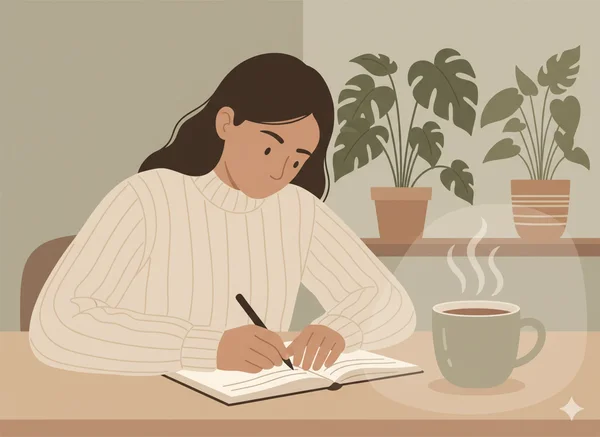
Writing helps externalize what's swirling inside your head. After a difficult day, spend 10 minutes putting your thoughts on paper. You don't need elegant prose — just honest expression. Journaling helps you process emotions, spot patterns, and gain clarity without ruminating.
Connect with People Who Understand Your Sensitivity
Isolation makes sensitivity harder to manage. Seek out friends, support groups, or online communities where your trait is understood, not judged. Feeling seen and accepted for how you experience the world is one of the most powerful buffers against overwhelm.
Can Sensitivity Be a Strength Instead of a Weakness?
Society often treats sensitivity as a problem to fix. But that perspective misses the full picture. Being overly sensitive comes with genuine advantages — once you learn how to channel them.
The Hidden Strengths of Deep Emotional Processing
Overly sensitive people tend to be deeply creative, highly empathetic, and exceptional at reading social situations. You notice what others miss — the colleague who's struggling silently, the subtle beauty in a piece of music, the unspoken tension in a room. These aren't weaknesses. They're refined abilities that many people lack.
Research also suggests that sensitive individuals make more thoughtful decisions because they weigh consequences more carefully. In professional settings, this translates to stronger judgment and fewer impulsive mistakes.
How Self-Awareness Turns Sensitivity into an Asset
The difference between sensitivity that overwhelms and sensitivity that empowers comes down to self-awareness. When you understand your patterns, your triggers, and your needs, sensitivity becomes a source of insight rather than a source of suffering. You stop fighting against your nature and start working with it.
How a Self-Reflection Tool Can Help You Understand Your Sensitivity
If you've made it this far, you probably recognize yourself in much of what you've read. The natural next step is moving from general understanding to personal insight.
Why Self-Exploration Is the Natural Next Step
Reading about sensitivity is valuable — but it's still general information. A structured self-reflection tool helps you examine your specific patterns, your unique combination of sensitivities, and how they show up in your daily life. It transforms abstract knowledge into personal awareness.
What You'll Learn from an HSP Self-Assessment
An HSP self-assessment — like the one available at Hsptest.org — walks you through a series of research-based questions designed to help you explore your sensitivity traits. It's not a diagnosis. It's a mirror — a way to organize what you already know about yourself and discover patterns you may not have noticed.
After completing the assessment, you can receive a personalized summary that highlights your strengths, potential challenge areas, and suggested next steps for managing your sensitivity in a healthy, empowering way.
This tool is designed for self-reflection and educational purposes. It does not provide a medical or psychological diagnosis. If you have concerns about your mental health, please consult a qualified professional.
When Sensitivity Signals Something Deeper
Most of the time, being overly sensitive is simply a trait you can learn to manage. However, there are moments when sensitivity may point to something worth exploring with professional support.
Consider reaching out to a therapist or counselor if:
- Your sensitivity has suddenly intensified without an obvious cause
- You frequently feel unable to function in daily situations because of emotional overwhelm
- You're experiencing persistent sadness, anxiety, or difficulty sleeping that goes beyond your usual baseline
- You suspect past trauma may be influencing your reactions
- Your relationships are consistently strained because of emotional reactivity
Seeking help isn't a sign that something is "wrong" with you. It's an act of self-respect. A mental health professional can help you determine whether your sensitivity is purely a trait, whether it intersects with another condition, or whether specific therapeutic strategies could help you thrive.
Your sensitivity is a part of who you are. Understanding it, managing it, and even embracing it starts with one step — and that step can be as simple as taking the free HSP self-reflection test to learn more about what makes you uniquely you.

Frequently Asked Questions
Is being overly sensitive a mental health disorder?
No. Being overly sensitive is considered a personality trait, not a disorder. Psychologist Elaine Aron's research identifies it as sensory-processing sensitivity — a normal variation found in 15–20% of the population. However, if sensitivity causes significant daily distress, consulting a professional can help clarify whether another condition plays a role.
Is being overly sensitive a trauma response?
It can be, but not always. Some people are naturally sensitive due to genetics and nervous system wiring. For others, past trauma — especially in childhood — can heighten emotional and sensory reactivity. If you suspect your sensitivity is trauma-related, a therapist specializing in trauma can help you explore this safely.
Can you actually stop being so sensitive?
You likely can't eliminate sensitivity entirely, and you may not want to. Sensitivity comes with real strengths like empathy, creativity, and deep awareness. The goal is learning to manage it — through boundary-setting, self-care, mindfulness, and building self-awareness — so it supports you rather than overwhelms you.
How do you deal with an overly sensitive person?
Approach them with patience and understanding. Avoid dismissing their feelings with phrases like "you're overreacting." Instead, validate their experience, communicate gently, and give them space when they need it. Being sensitive doesn't mean being fragile — it means processing the world more deeply.
What is the difference between being sensitive and being overly sensitive?
Everyone has some level of sensitivity — it's how we connect with others and respond to our environment. Being overly sensitive means those responses are consistently more intense, longer-lasting, and sometimes disruptive. The distinction isn't binary; it exists on a spectrum, and where you fall can vary depending on stress, health, and life circumstances.
Am I overly sensitive or just stressed?
Stress can temporarily amplify sensitivity, making you more reactive to criticism, noise, and emotional cues. If your heightened sensitivity is a recent change tied to a specific stressful period, it may resolve as the stressor passes. If it has been a consistent pattern throughout your life, you may naturally fall higher on the sensitivity spectrum — and understanding this can help you build better coping strategies.