Elaine Aron and the Highly Sensitive Person: A Clear HSP Guide
Elaine Aron brought the phrase "highly sensitive person" into everyday psychology, but the idea is often shortened until it sounds like a label instead of a trait. If you searched for aron elaine highly sensitive person, you are probably trying to understand where HSP came from, what it actually means, and whether it describes your own way of moving through the world. The simplest starting point is this: high sensitivity is commonly discussed as sensory processing sensitivity, a normal variation in how deeply a person notices and processes stimulation. For a gentle next step, an HSP self-reflection tool can help you compare your experiences with common HSP patterns.

Why Elaine Aron Matters to the HSP Conversation
Dr. Elaine N. Aron is the psychologist most closely associated with the modern HSP concept. In the 1990s, her work helped organize observations many people had lived with for years: overwhelm from intense input, awareness of subtleties, strong responses to emotional cues, and a need for recovery after stimulating days. Instead of treating these patterns as weakness, Aron framed them as part of an inborn sensitivity trait.
That reframing matters. Many highly sensitive people reach adulthood after hearing that they are "too much," "too picky," or "too emotional." Aron's contribution gave people more precise language: not a flaw or a dramatic identity, but a temperament-style trait with both costs and strengths.
The term most often connected with HSP research is sensory processing sensitivity, or SPS. It describes a tendency to process internal and external information deeply, including physical sensations such as noise, light, hunger, or texture, and social information such as tension in a room or subtle changes in tone.
What "Highly Sensitive Person" Means in Practical Terms
A highly sensitive person is usually someone whose nervous system takes in more detail and spends more energy making sense of it. This can be useful. HSPs may be thoughtful, empathic, creative, careful with decisions, and unusually responsive to beauty or meaning.
The same depth can also become tiring. A crowded event, a loud office, a tense conversation, or too many decisions may feel draining. The issue is not weakness. Deep processing has a cost, especially when stimulation arrives faster than recovery.
This is why HSP is best understood as a both-and trait. It can support insight and connection, while also increasing the need for boundaries, quiet, pacing, and recovery. A balanced article about Elaine Aron and highly sensitive people should not romanticize the trait or make it sound like a problem to erase.
The DOES Model Without Turning It Into a Checklist
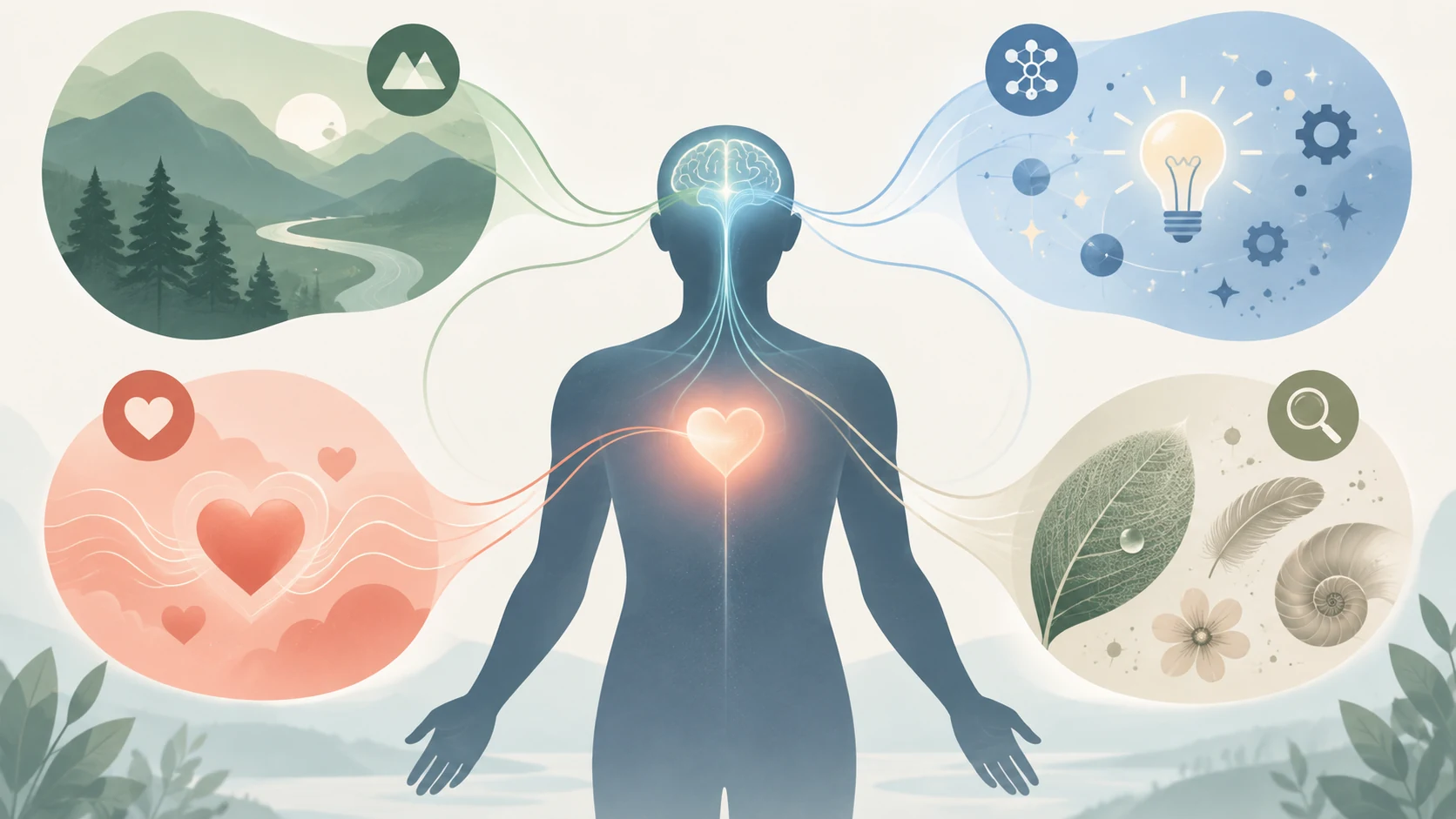
One popular way to explain Aron's HSP framework is the DOES model. It is helpful because it keeps the concept grounded in patterns rather than vague sensitivity.
Depth of processing means you may think through experiences carefully, compare options, or replay details after something happens. This can support wise choices, but it can also lead to overthinking when there is no pause point.
Overstimulation means the nervous system can become flooded when too much is happening at once. Bright lights, overlapping conversations, time pressure, conflict, or a busy store may feel manageable for a while and then suddenly feel like too much.
Emotional responsiveness means feelings may register strongly, including your own feelings and the feelings of other people. Many HSPs describe deep empathy, strong reactions to criticism, and vivid responses to art, music, stories, or kindness.
Sensitivity to subtleties means small details stand out. You may notice changes in mood, noise, scent, texture, lighting, or social energy before others do. This can be an advantage in caregiving, creative work, problem solving, and relationship repair.
The model is not meant to make every HSP look identical. A person may be socially outgoing and still need recovery after a stimulating day. Another may be quiet, creative, and easily affected by harsh environments. The point is pattern recognition, not forcing yourself into a narrow personality box.
HSP Is Not the Same as Anxiety, Introversion, or Autism
Search results around HSP often mix high sensitivity with anxiety, introversion, empath identity, ADHD, autism, or sensory processing disorder. Some overlap can exist in daily experience, especially around sensory intensity or emotional load, but the concepts are not interchangeable.
High sensitivity is commonly described as a trait. Anxiety is a state or clinical pattern involving fear, worry, distress, or impairment. A highly sensitive person may feel more aware of risks and social cues, but that does not automatically mean anxiety is the best explanation for every reaction.
Introversion is about how a person tends to restore energy, often through solitude or low-stimulation time. Many HSPs are introverted, but some are socially energetic and expressive. They may enjoy people deeply, then still need quiet afterward because the experience was rich.
Autism and ADHD are neurodevelopmental conditions with their own criteria, support needs, and lived experiences. Some people may identify with both HSP language and another neurodivergent framework, while others may not. It is better to compare patterns carefully than to treat one term as a shortcut for another.
If you want a structured way to reflect on your own sensitivity patterns, a free HSP test can be useful as an educational mirror. It should not replace professional support if your experiences are causing serious distress, disrupting daily life, or raising concerns about mental health.
The Strengths Elaine Aron Helped People Notice
One reason Aron's work has lasted is that it did not only describe overwhelm. It also made room for strengths that sensitive people often overlook because they are busy managing the hard parts.
Many HSPs are careful observers. They may notice when a friend is not really okay, when a room is too harsh for focused work, or when a decision has hidden emotional consequences. In teams, that can translate into thoughtful planning, quality control, empathy, and early awareness of risk.
HSPs may also respond strongly to positive environments. A calm workspace, supportive relationship, meaningful project, or beautiful setting can have an outsized effect. This is important because sensitivity does not only mean being hurt more easily. It can also mean being nourished more deeply by what is good.
The practical takeaway is not to build a life with zero stimulation. That is unrealistic and often limiting. A more useful goal is fit: knowing which environments help your sensitive nervous system function well, which ones deplete you, and what kind of recovery helps you return to yourself.
The Hard Parts of Being Highly Sensitive
The People Also Ask phrase "dark side of HSP" points to a real search concern, even if the wording is dramatic. The harder side of high sensitivity is usually not the trait itself, but the mismatch between a sensitive nervous system and a high-pressure environment.
Common challenges include sensory overload, emotional fatigue, conflict sensitivity, harsh self-criticism, difficulty saying no, and the feeling of needing extra time to make decisions. HSPs may also feel embarrassed by their limits when others seem able to keep going.
A useful response begins with neutral observation. Which inputs drain you fastest? Noise, clutter, emotional tension, time pressure, hunger, lack of sleep, criticism, or constant interruptions? Once you know the pattern, you can design smaller supports: quieter transitions, recovery blocks, clearer boundaries, gentler lighting, prepared scripts for difficult conversations, or fewer back-to-back commitments.
Sensitivity does not require a perfect life. It asks for honest pacing. Even small adjustments can make daily life feel less like endurance and more like participation.
Best Books and Resources for Understanding HSP
For many readers, the best known book is Aron's The Highly Sensitive Person, which introduced the concept to a broad audience. People interested in relationships often also search for The Highly Sensitive Person in Love. These books can be helpful starting points because they combine explanation with lived examples.
Books are not the only route. Educational articles, reflective exercises, supportive communities, and conversations with sensitivity-aware professionals can all help. Choose resources that stay balanced. Be cautious with content that turns HSP into a superpower only, a hidden disorder, or a fixed identity that explains every problem.
Good HSP resources usually do three things. They define the trait clearly, separate it from unrelated labels, and offer practical ways to work with sensitivity in everyday life. They also leave room for complexity: culture, childhood experience, stress level, relationships, sleep, and health can all affect how sensitivity shows up.
How to Use Elaine Aron's Work for Self-Reflection
The most helpful use of Elaine Aron's highly sensitive person framework is not to collect a label. It is to build self-knowledge you can actually use.
Begin by noticing your strongest patterns. Do you process decisions deeply? Do you need more quiet after social or sensory intensity? Do you react strongly to criticism or conflict? Do small details in an environment affect your focus or mood? Write down examples from real life rather than judging yourself from memory.
Next, separate trait from context. A sensitive person under chronic stress may look very different from the same person in a supportive environment. Before blaming yourself, ask what is happening around you: pace, noise, sleep, relationships, expectations, workload, and emotional safety.
Then choose one small adjustment. You might add a decompression ritual after work, use softer lighting in the evening, schedule difficult conversations earlier in the day, or practice a short boundary phrase such as "I need a little time to think about that." Small changes are often easier to maintain than total lifestyle overhauls.
If you want to compare your reflections with a structured set of HSP-style questions, the HSP test and resources can support a low-pressure exploration. Use the result as a conversation starter with yourself, not as a final verdict on who you are.

FAQ
What are highly sensitive people?
Highly sensitive people are individuals who appear to process sensory, emotional, and social information more deeply than average. In Elaine Aron's framework, this is often discussed as sensory processing sensitivity. It may include strong awareness of subtleties, deep emotional response, and a greater need for recovery after intense stimulation.
What is the hard side of HSP?
The hard side is usually overstimulation and mismatch. Loud spaces, conflict, pressure, criticism, poor sleep, or packed schedules can drain an HSP quickly. The trait may also come with self-doubt if a person has spent years being told they are too sensitive. Supportive environments and practical boundaries can reduce that strain.
What is the best book for a highly sensitive person?
Elaine Aron's The Highly Sensitive Person is the classic starting point because it introduced the HSP idea to a broad audience. The Highly Sensitive Person in Love may be useful for relationship questions. The best resource is one that explains sensitivity as a trait, stays balanced, and encourages practical self-understanding.
Is HSP a mental health condition?
HSP is generally discussed as a trait, not a mental health condition. A person can be highly sensitive and mentally healthy. A person can also be highly sensitive and struggle with anxiety, depression, trauma, burnout, or other concerns. If distress is persistent or interferes with daily life, professional support can be appropriate.
Was Princess Diana an HSP?
Some writers have speculated about public figures and sensitivity, including Princess Diana, but it is not possible to know from the outside. Public labels are best treated carefully. It is more useful to learn the HSP framework for your own reflection than to assign the trait to someone you cannot ask.
How do I know if Elaine Aron's HSP idea fits me?
Look for repeated patterns across time: deep processing, overstimulation, emotional responsiveness, and sensitivity to subtleties. A reflective questionnaire can help organize those observations, but your real-life examples matter too. If the framework helps you understand your needs with more kindness and accuracy, it may be useful.