HSP Test & Anxiety: Distinguishing High Sensitivity vs. Disorder
Are you wondering if your deep feelings are high sensitivity or anxiety? Many people who feel overwhelmed by the world often confuse the innate trait of being a Highly Sensitive Person (HSP) with a clinical anxiety disorder. This common mix-up can lead to misunderstanding and distress. Disentangling the threads of HSP and anxiety is the first step toward true self-understanding and finding effective strategies for well-being. This guide will clarify the crucial differences, helping you navigate your inner world with confidence.
Feeling things deeply is not a flaw; it's a way of experiencing life. To understand if what you're feeling stems from a personality trait or a potential disorder, it's essential to start with a clear baseline. The journey to clarity can begin by exploring your unique traits through the official HSP test.
Understanding High Sensitivity (HSP) as a Personality Trait
First and foremost, it's vital to know that being a Highly Sensitive Person is not a disorder. It is a neutral, inborn personality trait, identified by psychologist Dr. Elaine N. Aron, present in about 15-20% of the population. This trait, also known as Sensory Processing Sensitivity (SPS), involves a nervous system that processes physical, emotional, and social stimuli more deeply than others.
The DOES Model: Core Characteristics of a Highly Sensitive Person
Dr. Aron developed the acronym DOES to summarize the four core aspects of high sensitivity. Understanding these can help you recognize the trait within yourself.
-
D - Depth of Processing: HSPs think deeply about everything. They subconsciously process information more thoroughly, connecting and comparing it with past experiences. This can lead to strong intuition and conscientiousness, but also a tendency to get bogged down by decisions.
-
O - Overstimulation: Because they notice so much, HSPs can become overstimulated or overwhelmed more easily. A busy shopping mall, a noisy office, or a packed social calendar can be far more draining for an HSP than for others.
-
E - Emotional Responsiveness & Empathy: Highly sensitive people feel emotions, both positive and negative, more intensely. They have a high level of empathy, often feeling what others are feeling as if it were their own.
-
S - Sensitive to Subtleties: HSPs are highly attuned to subtle details in their environment. They might notice a slight change in a friend's tone of voice, the soft texture of a blanket, or the delicate aroma of a flower that others miss.

How a Sensitive Nervous System Processes the World
At its core, the HSP trait is biological. Research suggests that the brains of highly sensitive people have more active mirror neurons, which are linked to empathetic responses. Their nervous systems are wired to pause and reflect before acting. This isn't a choice; it's a fundamental difference in processing that often leads to incredible creativity, insight, and compassion. Gaining clarity on your own sensitivity level can be empowering, and a great first step is to take our free test.
What Defines Clinical Anxiety Disorders?
While high sensitivity is a way of being, a clinical anxiety disorder is a mental health condition characterized by persistent, excessive fear and worry that interferes with daily life. Unlike the situational overwhelm an HSP might feel, anxiety can be a constant and disproportionate response to potential threats.
Common Types and Symptoms of Anxiety Disorders
Anxiety is not a monolith; it manifests in several forms, including Generalized Anxiety Disorder (GAD), Panic Disorder, Social Anxiety Disorder, and others. Common symptoms often include:
-
Excessive and uncontrollable worry
-
Restlessness or feeling "on edge"
-
Fatigue and difficulty concentrating
-
Irritability and muscle tension
-
Sleep disturbances (difficulty falling or staying asleep)
-
Physical symptoms like a racing heart, sweating, or shortness of breath
When Does Worry Become a Diagnosable Disorder?
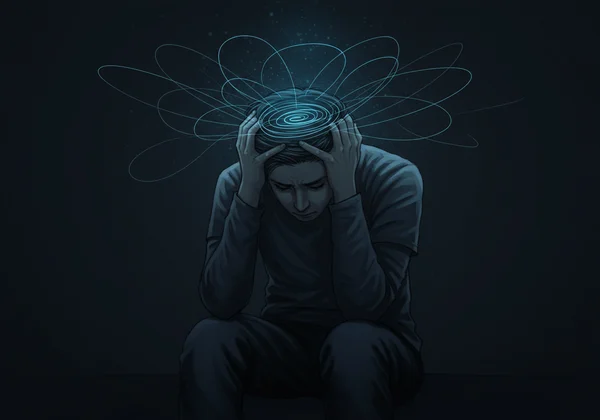
Everyone worries, but for it to be a diagnosable disorder, the anxiety is typically persistent (lasting six months or more), excessive, and significantly impacts major life areas like work, school, or relationships. It feels uncontrollable and often appears without a clear, immediate trigger. The key difference is that the feeling of distress becomes the default state, rather than a reaction to a specific, overstimulating environment.
HSP vs. Anxiety: Key Distinctions and Overlaps
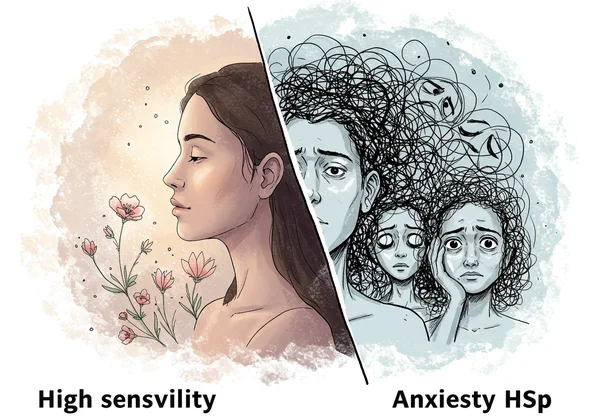
This is where clarity is crucial. The intense inner experience of an HSP can look and feel like anxiety, but their origins and implications are vastly different. Understanding the high sensitivity vs anxiety dynamic is key to proper self-care.
Is High Sensitivity the Same as an Anxiety Disorder?
No, absolutely not. High sensitivity is a personality trait you are born with. Anxiety is a clinical condition that can develop at any point. While an HSP's sensitive nervous system might make them more prone to developing anxiety if they are in chronically stressful or unsupportive environments, the trait itself is not a disorder.
Shared Experiences: When Overwhelm Feels Similar
The confusion arises because overstimulation in an HSP can trigger a physiological response similar to anxiety—a racing heart, feeling flustered, and an intense desire to withdraw. For example, after a long day in a loud, open-plan office, an HSP might feel frazzled and on edge. This is a reaction to sensory overload, not the free-floating, persistent worry characteristic of an anxiety disorder.
Core Differences: Trait vs. Disorder
Here's a simple breakdown of the core distinctions:
-
Baseline vs. Trigger: HSP is the baseline; it's how your nervous system always operates. Anxiety is often a triggered response that elevates you far above your normal baseline of worry.
-
Source of Distress: For HSPs, distress often comes from external overstimulation (too much noise, light, social input). For anxiety disorders, distress is often internal, stemming from persistent, cyclical worrying and "what-if" thoughts.
-
Positive Aspects: High sensitivity comes with many strengths like empathy, creativity, and deep appreciation for beauty. Anxiety disorders are defined by their negative, life-impairing symptoms.
-
Recovery: An HSP can often recover from overwhelm by retreating to a quiet, calm environment. Managing a clinical anxiety disorder typically requires targeted therapeutic strategies, such as Cognitive Behavioral Therapy (CBT), and sometimes medication.
Curious about where you fall on the sensitivity spectrum? The best way to begin is to discover your sensitivity with a scientifically-grounded assessment.
Managing Anxiety as a Highly Sensitive Person
If you are an HSP who also struggles with anxiety, managing it requires an approach that honors your sensitive nature. Generic advice might fall short because it doesn't account for your finely tuned nervous system. Understanding anxiety in HSP means finding tailored solutions.
Tailored Strategies for a Sensitive Nervous System
-
Prioritize Downtime: Schedule quiet time into your day to decompress. This is non-negotiable for an HSP. It allows your nervous system to reset and prevents overstimulation from escalating into anxiety.
-
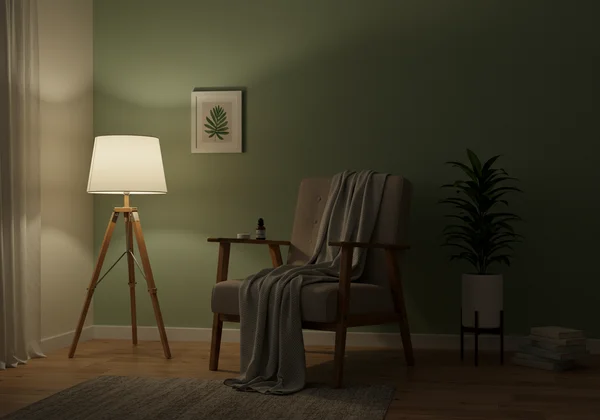
Create a Sanctuary: Designate a space in your home that is your calm, peaceful retreat. Fill it with soft textures, calming scents, and low lighting.
-
Set Boundaries: Learn to say "no" to social invitations or tasks that you know will push you past your limit. Protecting your energy is not selfish; it's essential.
Building Resilience and Effective Self-Care Practices
Resilience for an HSP isn't about "toughening up." It's about learning to work with your sensitivity. Practices like mindfulness meditation, spending time in nature, and engaging in creative hobbies can help soothe the nervous system and build a stronger emotional foundation. Regular exercise and a balanced diet are also crucial for regulating mood.
When to Seek Professional Help
If your feelings of worry and fear are persistent, uncontrollable, and interfering with your daily life, it is crucial to seek help from a qualified mental health professional. A therapist who understands the HSP trait can help you distinguish between sensitivity and anxiety and provide the right tools for managing both. An HSP test can be a valuable starting point to discuss with a professional.
Embrace Your Sensitivity: Clarity and Empowerment
Distinguishing between your innate sensitivity and clinical anxiety is profoundly empowering. High sensitivity is not a life sentence of stress; it's a trait that, when understood and nurtured, can be a superpower. It allows you to connect deeply, appreciate beauty, and live a rich, meaningful life.
Your journey of self-discovery starts with awareness. By understanding the unique wiring of your nervous system, you can stop fighting against yourself and start creating a life that honors your needs.
Ready to take the next step? Visit our site to take the free, comprehensive HSP test based on Dr. Elaine N. Aron's research. Gain the clarity you deserve and begin your path to embracing your sensitivity today.
Frequently Asked Questions About HSP and Anxiety
Are highly sensitive people more prone to anxiety?
While being an HSP is not a disorder, a highly sensitive nervous system can be more vulnerable to stress and overwhelm, which are risk factors for developing anxiety. A lack of understanding about the trait, especially during childhood, can contribute to this risk. However, with self-awareness and the right coping strategies, HSPs can thrive.
What could be mistaken for high sensitivity?
Several conditions and traits can be mistaken for HSP, including social anxiety, introversion, ADHD, and even being on the autism spectrum. Each has distinct diagnostic criteria. For example, while an HSP might avoid parties due to overstimulation, someone with social anxiety avoids them due to a fear of judgment. This is why a proper assessment is a helpful starting point to confirm your traits.
Is HSP the same as being neurodivergent?
The term "neurodivergent" is an umbrella term for individuals whose brains function differently from the societal "norm," including those with autism, ADHD, and dyslexia. While Sensory Processing Sensitivity is a distinct trait, many experts consider it a form of neurodivergence because it reflects a natural variation in brain processing.
How do you confirm if you are an HSP or dealing with anxiety?
The best approach is twofold. First, gain self-knowledge by taking a reliable assessment like the HSP test online to see if you align with the core characteristics. Second, if your symptoms are causing significant distress and impairing your life, consult a mental health professional for a formal diagnosis to rule out or treat an anxiety disorder.