HSP Test & Sleep: Why Highly Sensitive People Struggle and How to Get Restful Nights
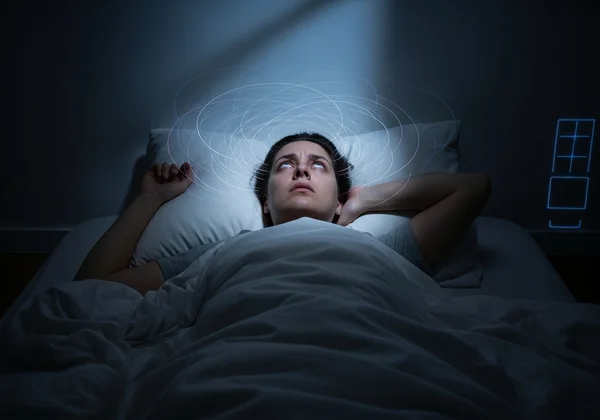
Feeling constantly drained, even after what should have been a full night's sleep? For many highly sensitive people (HSPs), achieving deep, restorative rest can feel like a nightly battle. You might find yourself tossing and turning, your mind racing with the day's events, or waking up at the slightest noise. What are the signs of a highly sensitive person that impact sleep? This guide is here to explore the unique challenges HSPs face at bedtime and provide practical, empowering strategies to help you finally claim the peaceful sleep you deserve.
Understanding this core aspect of your personality is the first step towards transforming your nights. If you're wondering if your sleep patterns are connected to this trait, you can discover your sensitivity with a comprehensive assessment.
Understanding HSP Sleep Challenges: The Science Behind Your Sensitivity
It’s not just in your head—there are real, physiological reasons why sleep can be so elusive for highly sensitive people. The HSP trait, first identified by psychologist Dr. Elaine N. Aron, is rooted in a nervous system that processes stimuli more deeply. This heightened awareness, while a source of great strength in creativity and empathy, can make winding down a significant challenge.
The Overstimulated Nervous System: Why HSPs Absorb More
Think of your nervous system as a sponge. While a non-HSP’s sponge might absorb the major spills of the day, an HSP’s sponge soaks up everything: the subtle shifts in a coworker's tone, the flickering of fluorescent lights, the background hum of the office. By the end of the day, this sponge is saturated. This state of overarousal, or hsp overstimulation at night, makes it difficult for your body to transition into a state of rest. Your system remains on high alert, scanning for stimuli even when you’re trying to sleep.

Deep Processing & The Mind That Won't Shut Off
A hallmark of the highly sensitive person is depth of processing. You don't just notice details; you analyze them, connect them, and reflect on them. While this leads to profound insights during the day, it can cause racing thoughts at night. Your brain works overtime, replaying conversations, planning for tomorrow, or pondering life's biggest questions. This mental churn is a common cause of hsp insomnia, preventing your mind from achieving the quiet necessary for sleep to take hold. Learning about this trait through an official HSP test can be the key to understanding this pattern.
Emotional Responsiveness and its Impact on Rest
HSPs experience emotions with greater intensity and have a higher level of empathy. This means you not only feel your own emotions deeply but also absorb the emotional energy of those around you. If you had a stressful meeting or a difficult conversation, you might carry that emotional weight with you to bed. These lingering feelings of anxiety, sadness, or even excitement can activate your body's stress response, releasing cortisol and adrenaline—hormones that are the exact opposite of what you need for a peaceful slumber.
Practical Sleep Tips for Highly Sensitive People: Your Guide to Restful Nights
Recognizing the challenges is the first step; taking action is the next. The good news is that by working with your sensitivity instead of against it, you can create the perfect conditions for restorative sleep. Here are some tailored sleep tips for hsp to help you build a better bedtime routine.
Crafting Your HSP-Friendly Sleep Sanctuary
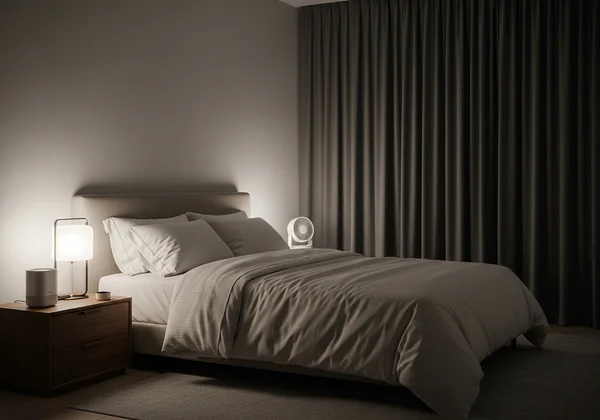
Your bedroom should be a haven from the sensory overload of the outside world. The goal is to minimize stimuli and create an environment that signals safety and calm to your nervous system.
-
Embrace Darkness: Invest in high-quality blackout curtains to block out all external light. Even small amounts of light from streetlamps or electronics can disrupt an HSP's sleep cycle.
-
Control Sound: Silence is golden, but for some HSPs, a complete lack of noise can be unsettling. Consider a white noise machine or a fan to create a consistent, soothing soundscape that masks sudden noises.
-
Optimize Comfort: Your sensitivity extends to physical sensations. Choose soft, breathable bedding materials like cotton or bamboo. Ensure your mattress is supportive and your pillow is just right. A weighted blanket can also provide comforting deep pressure.
Pre-Sleep Rituals to Calm Your Sensitive System
A consistent "winding down" routine is non-negotiable for HSPs. This transition period tells your overactive mind and body that it's time to prepare for rest.
- Digital Detox: The blue light from screens (phones, tablets, TVs) suppresses melatonin production, the hormone that regulates sleep. Power down all electronics at least 60-90 minutes before bed.
- Brain Dump: Keep a journal by your bed. Before you lie down, spend ten minutes writing down everything that's on your mind—worries, to-do lists, creative ideas. Getting it on paper can free up mental space.
- Gentle Movement: Avoid intense exercise close to bedtime. Instead, opt for gentle stretching, yin yoga, or a slow, mindful walk to release physical tension. If you're ready to learn more, take the free hsp test to see how your traits align.
Navigating Diet & Stimulants: Caffeine, Alcohol, and HSP Sleep
Highly sensitive people often have a greater sensitivity to substances that affect the central nervous system. What might be a mild stimulant for others can be a major sleep disruptor for you.
- Caffeine Curfew: Many HSPs find they are extremely sensitive to caffeine. Consider making noon your absolute cut-off time for coffee, tea, or soda. Some may need to eliminate it entirely.
- Rethink the Nightcap: While alcohol might make you feel drowsy initially, it severely disrupts the quality of your sleep later in the night, leading to frequent awakenings.
- Mindful Meals: A large, heavy meal close to bedtime can interfere with sleep. Opt for a light, balanced dinner and consider a small, sleep-friendly snack like a banana or a handful of almonds if you're hungry before bed.
Mindfulness & Relaxation Techniques for Deep Rest
These practices are designed to calm your nervous system and gently guide your mind away from the endless loop of thoughts.
-
Guided Meditation: Apps like Calm or Headspace offer sleep-specific guided meditations that can help you focus your attention and drift off peacefully.
-
Deep Breathing: A simple box breathing technique (inhale for 4 counts, hold for 4, exhale for 4, hold for 4) can powerfully activate your parasympathetic nervous system, which is responsible for "rest and digest."
-
Progressive Muscle Relaxation: This involves tensing and then releasing different muscle groups throughout your body, which helps release stored physical tension you may not even be aware of.

When to Seek Professional Support for Persistent HSP Insomnia
While these strategies can be incredibly effective, it's important to recognize when you might need more support. If your sleep problems persist for weeks, significantly impact your daily functioning, or are causing you distress, it may be time to consult a healthcare professional. They can help rule out underlying medical conditions or sleep disorders and recommend further treatment. Remember, this article is for informational purposes and is not a substitute for professional medical advice.
Reclaim Your Rest: Embracing Your Sensitivity for Better Sleep
Struggling with sleep as a highly sensitive person is not a personal failing; it's a natural consequence of having a finely tuned nervous system. By understanding the science behind your challenges and implementing strategies tailored to your unique needs, you can transform your relationship with rest.
Embracing your sensitivity is the key. It starts with self-awareness. If you haven't already, taking a moment to formally identify your traits can be a profoundly validating experience. Try our free tool today to gain deeper insight into your personality and begin your journey toward more peaceful nights and more energized days.
Frequently Asked Questions About HSPs and Sleep
Do highly sensitive people need more sleep than others?
Yes, many HSPs find they need more sleep than the average person. Because your system spends the day processing a vast amount of information and sensory input, it requires more time to rest, repair, and consolidate memories. While the standard recommendation is 7-9 hours, an HSP might feel their best with 8-10 hours of quality sleep.
What should HSPs avoid before bedtime to improve sleep?
To improve sleep, HSPs should avoid intense or emotionally charged conversations, stimulating activities like watching action movies or horror films, checking work emails, and consuming caffeine or alcohol late in the day. Essentially, anything that puts your nervous system on high alert should be minimized in the hours leading up to sleep.
Can improving sleep confirm if I am a Highly Sensitive Person?
While improving your sleep by using HSP-specific strategies can be a strong indicator, it's not a definitive confirmation. Many factors can cause sleep issues. The most reliable way to understand if you possess the trait is to take the official HSP test, which is based on the scientific research of Dr. Elaine N. Aron.
Is HSP a sleep disorder?
No, HSP is not a sleep disorder. It is a personality trait characterized by sensory processing sensitivity. While being an HSP can make you more prone to sleep challenges like insomnia due to overstimulation and deep processing, the trait itself is not a medical condition or a disorder. It's simply a different way of experiencing the world.