Therapy for HSPs: How Specialised Counselling Supports High Sensitivity
If you have constantly been told you are "too sensitive," you are likely familiar with the persistent exhaustion of navigating an intensely loud world. This experience isn't a character flaw—it is the biological reality of being a Highly Sensitive Person (HSP), characterized by Sensory Processing Sensitivity (SPS). While this trait brings deep empathy and rich inner lives, it also leaves the nervous system highly vulnerable to chronic environmental and emotional overload. This article explores how specialized counseling, rather than attempting to "change" your processing patterns, provides tailored therapeutic frameworks to help you transition from constant overstimulation to sustainable, sensitive strength. To understand your unique trait baseline better, you can explore our comprehensive HSP test guide before diving into specialized support options.

What is an HSP Therapist and What Do They Specialize In?
An HSP therapist is a certified mental health professional who has undergone specific training to understand, respect, and support the mechanics of Sensory Processing Sensitivity. Unlike traditional clinical paths that might view intense emotionality as a symptom of an underlying pathology, a specialized counselor approaches your sensitivity as an innate neurological trait. They understand that your brain is wired to process ambient information more deeply than roughly 80% of the population.
Moving Beyond Mainstream Behavioral Push: The Neurodiversity-Affirming View
Traditional behavioral therapies often utilize an aggressive exposure framework, encouraging individuals to repeatedly force themselves into overwhelming distress to build tolerance. However, for a highly sensitive person, this mechanical push can cause severe nervous system burnout. An HSP psychologist utilizes a neurodiversity-affirming perspective instead. They recognize that your sensory thresholds are genetically predetermined, meaning the goal of therapy is lifestyle adaptation and self-acceptance, not trying to force your brain to become less sensitive. For example, instead of forcing you to tolerate a chaotic office, they help you design structural quiet periods.
Validating the Biological Reality of Sensory Processing Sensitivity (SPS)
Specialized therapy offers immense relief by providing scientific validation for your lifelong lived experiences. Your counselor will help you understand that your tendency to freeze in noisy rooms or catch subtle shifts in someone's tone is backed by functional brain differences. When you realize that your hyper-attuned nervous system is a measurable biological reality, the deep-seated belief that you are somehow broken or defective begins to fall away, clearing a path for authentic self-compassion.
The Core Focus: How Specialized Therapy Supports the Sensitive Mind
Specialized counseling for highly sensitive individuals goes far beyond standard talk therapy. It focuses directly on the daily friction points where a deeply receptive mind collides with a high-stimulus society. By mapping out your specific emotional triggers, an experienced practitioner helps you transform vulnerability into a well-regulated psychological asset.
Untangling the Historical Trauma of the "Too Sensitive" Label
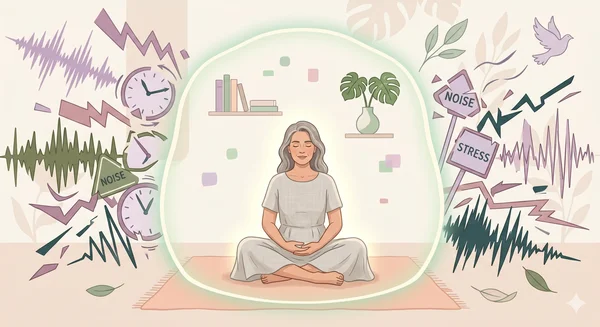
Most highly sensitive adults grew up surrounded by well-meaning but misaligned feedback from parents, teachers, and peers. Phrases like "stop being so dramatic" or "you need a thicker skin" accumulate over time, forming a layer of historical trauma. In therapy, you will work to untangle these old, internalized criticisms. Your therapist will guide you to reframe your past, changing the narrative from "I was weak" to "I was navigating an unaccommodated, highly intense environment without a map." If you find yourself overthinking past interactions, your counselor will provide cognitive reframing tools to dismantle this reflexive shame.
Mastering Personal Boundaries Without Absorbing Collective Guilt
Because highly sensitive people possess highly active mirror neuron systems, they naturally act as emotional sponges, absorbing the stress, anger, and anxiety of those around them. This often results in chronic people-pleasing, as the HSP tries to manage everyone else's comfort just to keep their own internal peace. Therapy teaches you how to establish firm interpersonal boundaries. You will learn to differentiate between your own emotions and the feelings of others, giving you the tools to say "no" cleanly without drowning in intense survival guilt.
What Type of Therapy Is Best for a Highly Sensitive Person?
Not all therapeutic modalities are created equal when it comes to supporting an easily overstimulated nervous system. The most effective approaches avoid dry, analytical lecturing and instead focus on holistic, gentle integration that respects your biological processing style.
Integrative and Holistic Psychotherapy Frameworks
Holistic psychotherapy is uniquely suited for high sensitivity because it addresses the profound mind-body connection inherent to the trait. This integrative framework looks at your sleep patterns, nutritional habits, environmental exposures, and existential values alongside your emotional struggles. If your current schedule leaves you chronically drained, a holistic clinician helps you reconstruct your lifestyle. By treating you as a complete ecosystem, an integrative counselor ensures that your therapy sessions do not become another source of mental exhaustion, but rather a restorative space to rebalance your daily life.
Somatic Therapy: Releasing Pressure from Low-Threshold Nervous Systems
Because HSPs possess lower sensory thresholds, physical stress and unexpressed emotions quickly become trapped within the body, manifesting as muscle tension, chronic fatigue, or digestive issues. Somatic therapy bypasses intellectual overthinking and works directly with the physical body. Through gentle grounding exercises, breath awareness, and somatic tracking, you will learn how to safely discharge accumulated environmental pressure from your nervous system, allowing your physical body to return to a calm, baseline state.
Mindfulness-Based Approaches to Cool Down Emotional Reactivity
Mindfulness-Based Cognitive Therapy (MBCT) provides highly sensitive individuals with a vital psychological buffer zone. When a stimulus hits your hyper-reactive mind, your instinct may be to spiral into intense emotional overwhelm. Mindfulness practices teach you how to observe your internal reactions without immediately judging them or drowning in them. By learning to anchor yourself in the present moment, you can slow down your internal processing speed, turning an automated stress spiral into a conscious, measured response.
How to Find an HSP Therapist Near You
Locating a professional who truly comprehends Sensory Processing Sensitivity requires an active, structured screening process. Since many general counselors claim to understand sensitivity in a broad sense, you must look for specific indicators of specialized clinical expertise.
Essential Questions to Ask Your Potential Counselor
When searching for a therapist for highly sensitive person near me, you should treat the initial consultation call as a brief interview. Do not hesitate to ask direct questions to gauge their true alignment with the trait. Consider utilizing the following questions during your screening:
- "Are you familiar with the scientific research of Dr. Elaine Aron regarding Sensory Processing Sensitivity?"
- "How does your therapeutic approach adapt to clients who experience rapid sensory and environmental overstimulation?"
- "Do you view high sensitivity as a distinct personality trait, or do you treat it as a symptom of an anxiety disorder?"
Evaluating Training Indicators and Neurodiversity Alignment
Look closely at a prospective provider's professional background and written materials. A qualified specialist will often explicitly mention neurodiversity-affirming care, highly sensitive individuals, or sensory processing patterns on their professional profiles. Avoid practitioners who promise to help you "overcome" your sensitivity, as this language indicates a fundamental misunderstanding of the trait’s permanence. True specialization focuses entirely on teaching you how to thrive with your sensitive wiring.
The HSP Pre-Therapy Checklist: Organizing Your Sensory Patterns
Before stepping into your first formal counseling session, organizing your personal history can save you weeks of introductory guesswork. Gathering your thoughts ahead of time allows you to clearly communicate your unique sensory landscape to a practitioner. You can use this practical self-guided checklist to audit your current daily processing patterns:
| Sensory Processing Dimension | Current Daily Vulnerabilities & Triggers | Real-World Coping Mechanisms Used |
|---|---|---|
| Depth of Processing | Overthinking minor conversations; analysis paralysis | Avoidance; writing thoughts down |
| Overstimulation | Loud workspaces; bright lights; sudden schedule shifts | Social withdrawal; noise-canceling headphones |
| Emotional Reactivity | Absorbing coworker stress; crying easily during feedback | People-pleasing; suppressing reactions |
| Sensing Subtleties | Hyper-aware of micro-expressions; tracking room shifts | Hyper-vigilance; isolating early |
Why Establishing a Sensory Baseline Is Your Best First Step
Entering a therapist's office with a vague statement like "I just feel overwhelmed" often results in generalized, slow-moving care. By contrast, arriving with a concrete map of your sensory thresholds allows your counselor to design immediate, targeted strategies. Identifying your exact baseline vulnerabilities ensures that your clinical sessions remain highly efficient, productive, and attuned to your everyday survival needs.
Utilizing the 18-Question Scale for Personal Clarity
To build a genuinely reliable map of your sensory processing style, you need a structured framework rooted in scientific research. To jumpstart this self-reflective process effectively, many people find it helpful to check your traits with this official HSP test on our website. Reviewing a standardized set of sensitivity markers gives you a neutral, clear vocabulary to describe your internal world, transforming abstract feelings of exhaustion into an actionable blueprint for personal growth.

Where to Go From Here: Embracing Structured Self-Reflection
Stepping onto the path of self-discovery does not require you to make massive, intimidating life overhauls overnight. Instead, sustainable relief begins when you replace daily self-criticism with quiet, structured observation. Recognizing that your sensitive nervous system requires specific, gentle care is an incredibly empowering realization.
As you contemplate the next steps on your journey—whether that involves seeking out a specialized local practitioner or simply restructuring your home environment—prioritize low-pressure, educational self-reflection. Before arranging consultations, taking the time to quietly audit your processing habits can give you immense confidence. We invite you to try the official HSP test today to safely map your sensory baseline and begin embracing your sensitive traits as the profound, natural strengths they truly are.
Navigating the Sensitive Journey with Clarity and Professional Grace
Thriving as a highly sensitive person is entirely possible once you stop fighting your biological wiring and start accommodating it. Specialized therapy offers a compassionate, scientifically grounded mirror, helping you see that your intense emotional depth is a normal genetic variation rather than a defect. While the journey toward boundary setting and nervous system regulation takes time, every small step you take honors your unique neurodivergent profile. Treat yourself with gentle patience, protect your energetic boundaries, and remember that your sensitivity is an authentic gift meant to be understood, protected, and shared on your own terms.
Frequently Asked Questions
Is High Sensitivity (SPS) a Clinical Diagnosis or a Trait?
High sensitivity, or Sensory Processing Sensitivity, is an innate personality trait and a form of normal neurodiversity. It is a healthy genetic survival strategy found in 15-20% of the human population. Because it is a normal biological variation and not a disease, it is not listed as a mental health disorder in the DSM, and it does not require a medical diagnosis or clinical treatment.
Can Specialized Counseling "Cure" My Sensory Thresholds?
No, specialized counseling cannot change or "cure" your sensory thresholds because high sensitivity is a hardwired, lifelong biological trait. Therapy does not aim to eliminate your sensitivity; instead, it focuses on helping you build adaptive lifestyle adjustments, manage environmental overstimulation, dissolve historical shame, and master clear boundary-setting skills.
How Do Professionals Distinguish High Sensitivity From Chronic Stress?
A specialized professional evaluates the longevity and stability of your patterns. High sensitivity is a stable, lifelong processing style characterized by deep reflection, strong empathy, and acute awareness of subtleties since childhood. In contrast, chronic stress or generalized anxiety disorders are acquired psychological states marked by persistent apprehension and hyper-vigilance, which can be managed and resolved over time.
What If an HSP Therapist Is Unavailable in My Local Area?
If you cannot locate a specialized provider locally, you can explore licensed teletherapy practitioners who list neurodiversity-affirming care as a core focus. Additionally, you can utilize structured educational frameworks, read expert literature by Dr. Elaine Aron, join structured peer support communities, and engage with self-guided toolkits to begin implementing sensory boundaries independently.