Why Are Some People More Sensitive Than Others?
Some people notice every shift in tone, every bright light, and every crowded room. Others can move through the same moment with little reaction. If you have wondered why are some people more sensitive than others, the short answer is that sensitivity is shaped by temperament, biology, past experience, current stress, and learned coping skills. It is not automatically a flaw, and it is not always a sign that something is wrong.
For many readers, the useful starting point is not labeling yourself, but understanding your patterns. A structured HSP self-reflection tool can help you compare common sensitivity traits while remembering that self-assessment is educational, not a substitute for professional support.
Sensitivity Is a Spectrum, Not a Switch
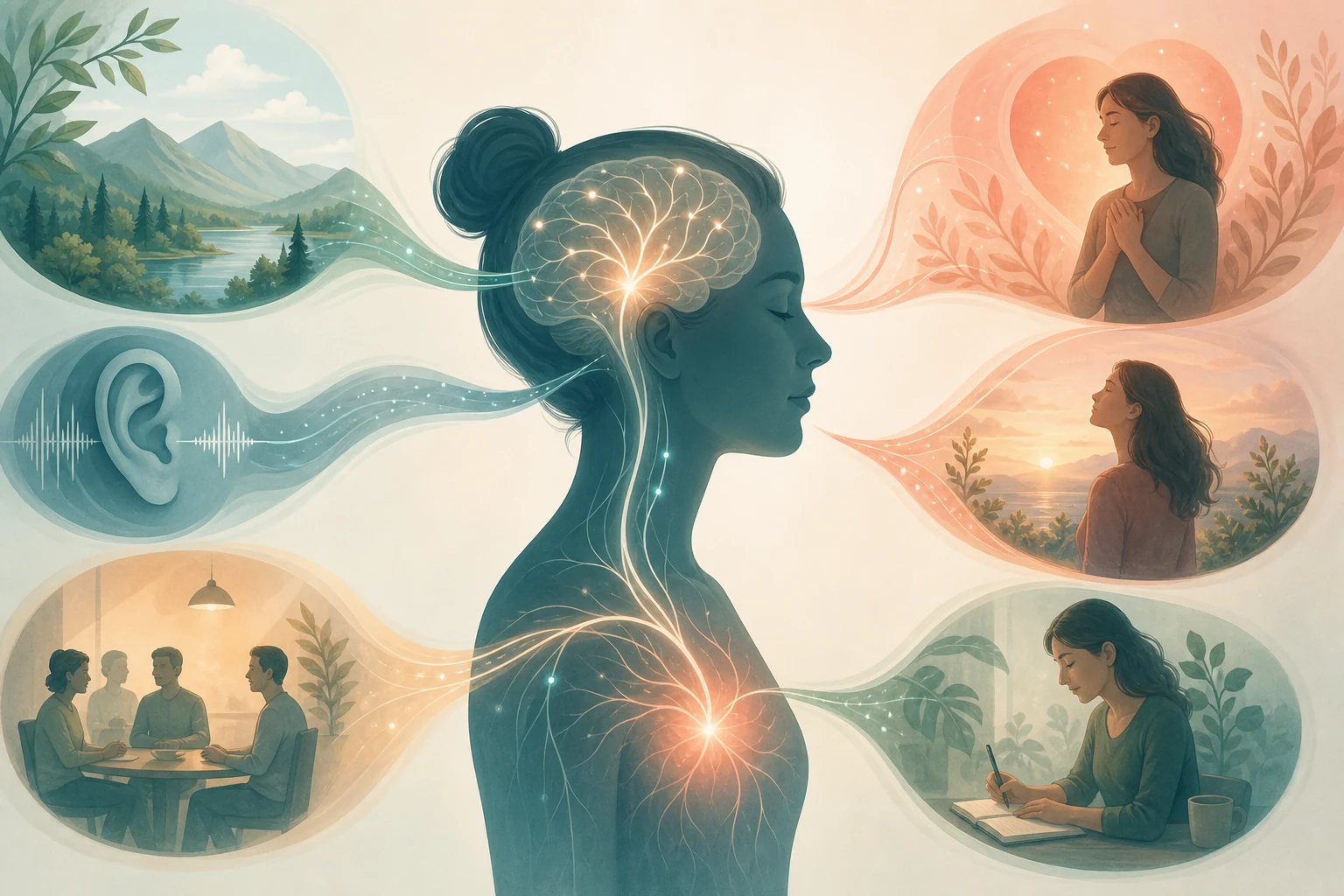
Sensitivity is often discussed as if people are either sensitive or not sensitive. In real life, most traits sit on a spectrum. One person may be highly reactive to sound but steady during conflict. Another may handle noise well but feel deeply affected by criticism, social tension, or sad news.
Psychology uses several related ideas to explain this variation. One is temperament, the partly inborn style with which a person responds to stimulation, novelty, emotion, and change. Another is sensory processing sensitivity, a trait associated with deeper processing of physical, social, and emotional input. People high in this trait may notice more details, reflect longer before acting, and become overstimulated sooner when the environment is intense.
This does not mean sensitive people are weak. It means their system may register more information or assign stronger meaning to it. That can bring challenges, such as fatigue after a busy day, but it can also support empathy, creativity, careful judgment, and awareness of subtle details.
Why Are Some People More Emotionally Sensitive Than Others?
Emotional sensitivity is influenced by how strongly the nervous system reacts, how quickly the body returns to baseline, and how a person interprets emotional signals. Two people can hear the same comment and have different inner experiences because their brains are weighing different histories, expectations, and meanings.
Some people are more emotionally sensitive because they detect social cues quickly. A pause before a reply, a small change in facial expression, or a tense atmosphere may feel loud to them. They may also process feelings more deeply, replaying a conversation and asking what it meant. This can make them thoughtful friends and careful communicators, but it can also make uncertainty feel draining.
Past experience matters too. If someone grew up in an unpredictable environment, they may have learned to monitor moods closely. That skill may have once been protective, but later it can make everyday disagreements feel bigger than they are. On the other hand, supportive experiences can help sensitive people trust their perceptions without being ruled by them.
Current state matters as well. Sleep loss, hunger, chronic stress, hormonal shifts, pain, and too many demands can lower anyone's threshold. A person who seems "too sensitive" during a difficult month may simply be running with less recovery time than usual.
The Biology Behind Higher Sensitivity
Biology does not explain everything, but it helps explain why sensitivity is not just a choice. Research on high sensitivity and sensory processing sensitivity suggests that some people are more responsive to both positive and negative environments. In practical terms, they may absorb the atmosphere around them more intensely.
Several systems can be involved. A lower sensory threshold may make bright light, scratchy fabric, caffeine, medication changes, heat, noise, or physical discomfort harder to ignore. A more reactive stress response may make conflict or uncertainty feel physically activating. A deeper processing style may lead the person to pause, compare possibilities, and think through consequences before moving on.
This is why the same person can be sensitive in several ways. Emotional sensitivity, sensory sensitivity, sensitivity to pain, and sensitivity to substances are not identical, but they can overlap when the nervous system is highly responsive. Tooth sensitivity, however, is usually a separate dental or physical issue and should be handled with appropriate health guidance.
The most helpful frame is variation. Human nervous systems differ. Some people are tuned for quick action and low reactivity. Others are tuned for careful noticing and stronger response. Neither style is universally better; each works best in the right setting.
Highly Sensitive Person Traits That May Show Up
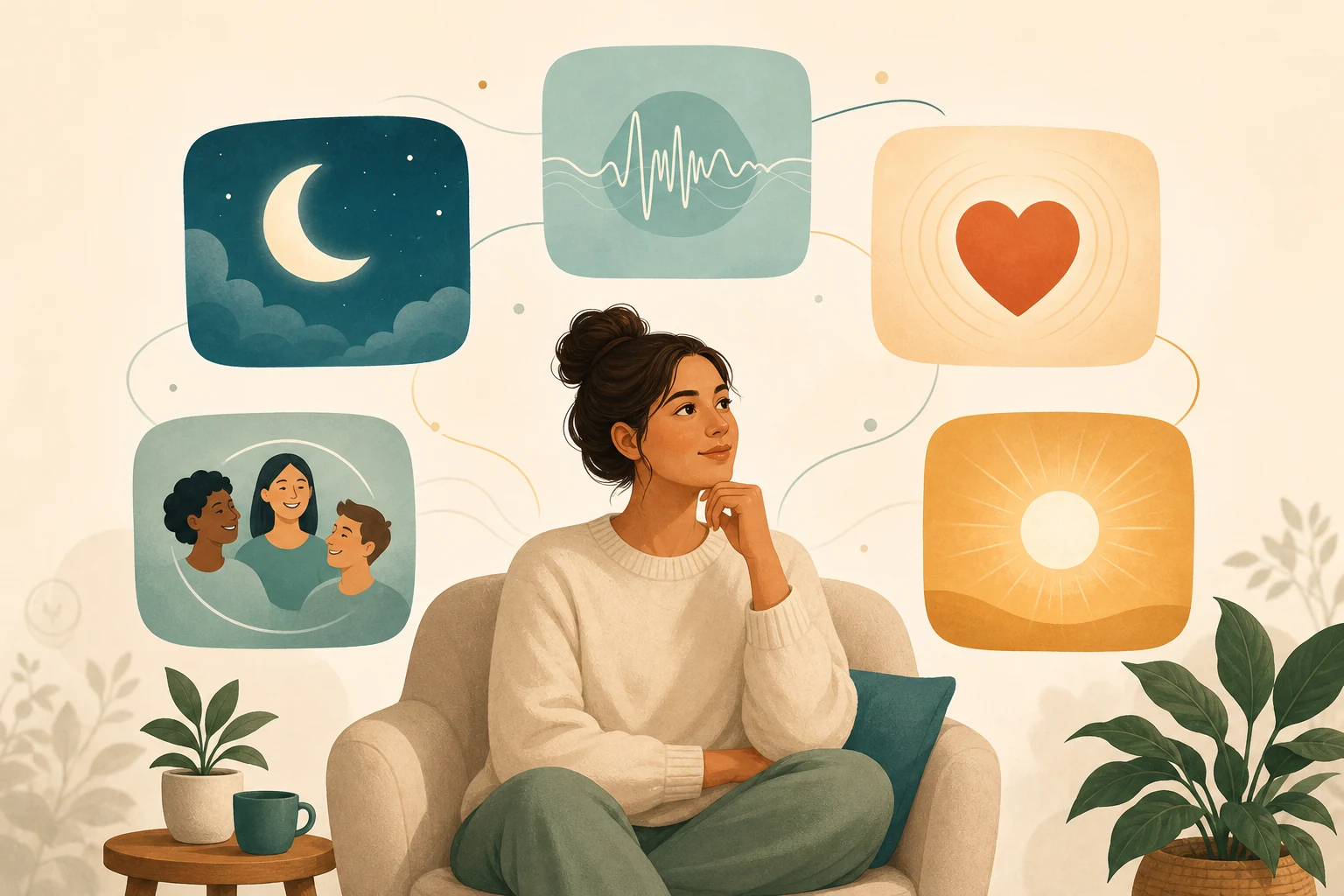
Highly sensitive person traits are often grouped into patterns such as depth of processing, overstimulation, emotional responsiveness, and sensitivity to subtle stimuli. These patterns are educational, not a personal verdict.
Depth of processing may look like thinking carefully before making decisions, noticing patterns others miss, or needing time to understand how you feel. Overstimulation may show up after packed schedules, loud rooms, long meetings, or emotionally intense conversations. Emotional responsiveness may include strong empathy, quick tears during moving scenes, or a vivid reaction to criticism. Sensitivity to subtle stimuli may involve noticing small changes in sound, light, smell, texture, or social mood.
If these patterns feel familiar, exploring HSP traits and sensitivity patterns can give you language for what you notice. The goal is not to place yourself in a box. It is to understand what helps you function well.
It is also important to separate high sensitivity from shyness, introversion, anxiety, or neurodivergence. They can overlap, but they are not the same thing. A highly sensitive person can be outgoing. A sensitive person can enjoy novelty. A person can also be sensitive and have a mental health concern that deserves care. When distress is intense, persistent, or interfering with daily life, professional support is the right next step.
Why Are Some Men More Sensitive Than Others?
Men vary in sensitivity for the same reasons everyone else does: temperament, biology, experience, stress load, and social learning. The difference is that many boys and men receive stronger messages to hide emotion, move past hurt quickly, or treat sensitivity as weakness.
That social pressure can make sensitivity harder to recognize. A sensitive man may describe himself as irritable, exhausted, private, easily overwhelmed, or "bad at crowds" rather than emotionally sensitive. He may feel deeply but show it through withdrawal, problem-solving, sarcasm, or anger because those responses were more acceptable in his environment.
Sensitivity in men is not less real because it is less visible. It may appear as strong loyalty, deep concern for loved ones, a careful reading of group dynamics, or a need for quiet recovery after demanding social time. Normalizing that range can help men use sensitivity as information instead of treating it as something to suppress.
Sensitivity, Vulnerability, and Susceptibility Are Related but Different
People often use sensitive, vulnerable, and susceptible as if they mean the same thing. They overlap, but the distinctions matter.
Sensitivity is responsiveness. It means you notice or react strongly to input. Vulnerability means a situation has more potential to affect you in a painful or destabilizing way. Susceptibility means you may be more influenced by a particular factor, such as caffeine, heat, criticism, social rejection, or lack of sleep.
A highly sensitive person may be more affected by harsh environments, but they may also benefit more from supportive ones. This is a key reason sensitivity should not be framed only as fragility. A calm workspace, respectful relationships, predictable routines, and meaningful recovery time can help a sensitive person do very well.
This also explains why some people become less reactive when their lives become steadier. Their underlying sensitivity may remain, but the amount of threat, noise, or pressure around it changes.
How to Work With Higher Sensitivity in Daily Life
You do not need to become a different person to manage sensitivity. A better goal is to build conditions that reduce overload and increase choice.
Start by tracking patterns rather than judging reactions. For one week, note what tends to happen before you feel overwhelmed. Look for practical triggers: poor sleep, skipped meals, noisy spaces, back-to-back meetings, emotionally intense media, conflict, caffeine, clutter, or too little alone time.
Then add small buffers. A five-minute transition between tasks, a quieter lunch break, lower lighting, noise-reducing headphones, or a short walk after a difficult conversation can make the nervous system feel less flooded. These are not dramatic fixes. They are ways of respecting how your attention and body process input.
Use language that keeps you connected to others. Instead of saying, "You made me overwhelmed," try, "I am at my limit and need ten quiet minutes before I can respond well." This protects the relationship while still naming your need.
Finally, balance protection with participation. Sensitive people can accidentally shrink their lives when every intense experience feels risky. The aim is not to avoid all stimulation. It is to choose stimulation wisely, recover intentionally, and notice which environments bring out your best.

A Gentle Next Step for Understanding Your Sensitivity
If you have been asking why are some people more sensitive than others, the answer is probably a mix of inborn temperament, nervous system responsiveness, emotional learning, and present-day capacity. That mix can change how you react to noise, criticism, caffeine, conflict, beauty, pain, kindness, or pressure.
The practical next step is curiosity. Notice where sensitivity costs you energy, where it gives you useful insight, and what support helps you recover. If you want a structured way to reflect on common HSP patterns, an educational HSP self-test can be a calm place to begin. Use the result as a conversation starter with yourself, and seek qualified support if your emotions, stress, or relationships feel unmanageable.
FAQ
What causes a highly sensitive person?
High sensitivity appears to come from a combination of temperament, nervous system responsiveness, and life experience. Some people seem naturally more responsive to sensory and emotional input, and their environment can shape whether that sensitivity feels manageable or overwhelming.
What are the traits of a sensitive person?
Common traits include noticing subtle details, feeling emotions strongly, needing time to process decisions, becoming overstimulated in intense environments, and showing strong empathy. These traits vary from person to person and are best understood as patterns, not fixed rules.
Can a sensitive person become less sensitive?
A person's basic temperament may not disappear, but reactivity can often become easier to manage. Better sleep, boundaries, recovery time, emotional skills, supportive relationships, and reduced overload can help sensitivity feel less disruptive.
Is a highly sensitive person a real thing?
Yes, high sensitivity is discussed in psychology through concepts such as sensory processing sensitivity. It is generally described as a trait, not a disorder. People differ in how strongly they experience it and how much it affects daily life.
Why am I so sensitive and cry easily?
Crying easily can reflect strong emotional responsiveness, stress, fatigue, empathy, hormonal changes, grief, or feeling overloaded. If crying feels distressing, frequent, or hard to manage, it may help to talk with a qualified mental health professional.
Are emotional sensitivity and sensory sensitivity the same?
They are related but not identical. Emotional sensitivity involves strong responses to feelings, relationships, or social meaning. Sensory sensitivity involves stronger reactions to input such as noise, light, smell, texture, pain, heat, or substances.
Does being sensitive mean I am vulnerable?
Not always. Sensitivity means you respond strongly to input. Vulnerability depends on context, support, recovery, and the specific situation. Many sensitive people are deeply resilient when their needs and limits are respected.